Why hire a Highland bagpiper?
Hiring a professional Highland bagpiper adds a heightened sense of occasion to any event. The unique sound of the bagpipes creates atmosphere, elevates emotion, and adds tradition to weddings, funerals, and celebrations.
The distinctive sound of the Great Highland Bagpipes creates memorable moments that elevate events and leave lasting impressions on guests. Whether for a wedding in Bath, a funeral service in Bristol, or a formal event in the South West, the bagpipes deliver a powerful and timeless musical experience.
How do Highland bagpipes work?
The sound of Scotland’s national instrument is unmistakable, but how is it produced?
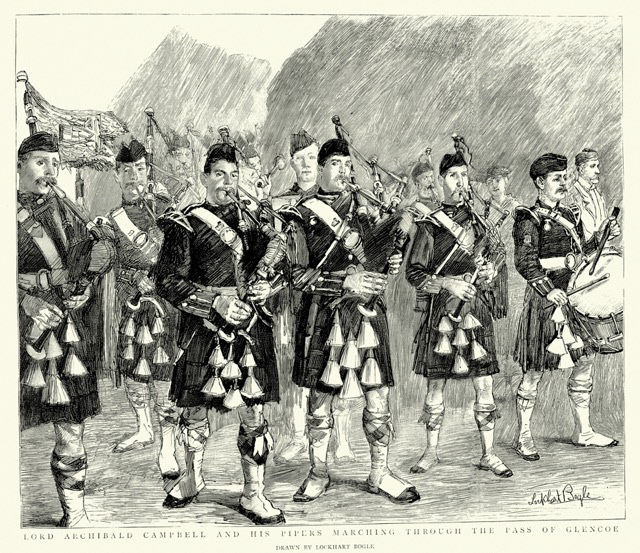
Throughout the Highlands of Scotland, the distinctive bellowing of tartan pipes can be heard cascading through the air. Bagpipes have been a part of Scottish tradition for centuries; however, their origins lie elsewhere. It’s still unclear as to where exactly this type of instrument was first invented, but one theory is that the invading Roman army brought the pipes to Scotland from Egypt.
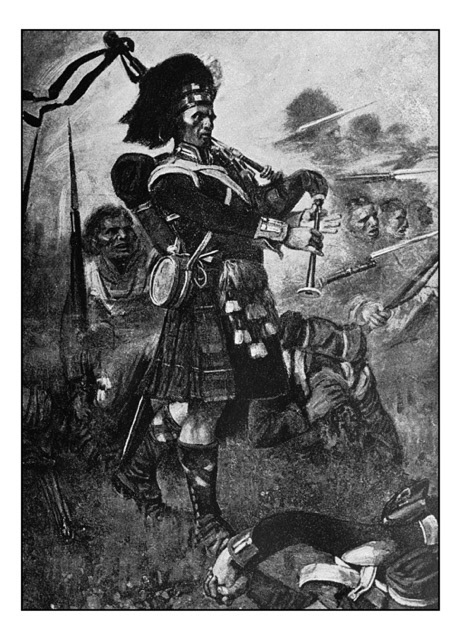
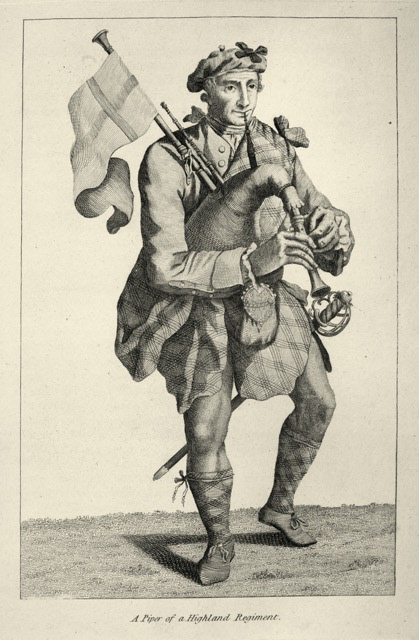
Bagpipes were originally used as an instrument for battle and were first documented during the Battle of Pinkie in 1547. It is said the melody of pipes could be heard for up to 16 kilometres as the sound led Highlanders onto the battlefield.
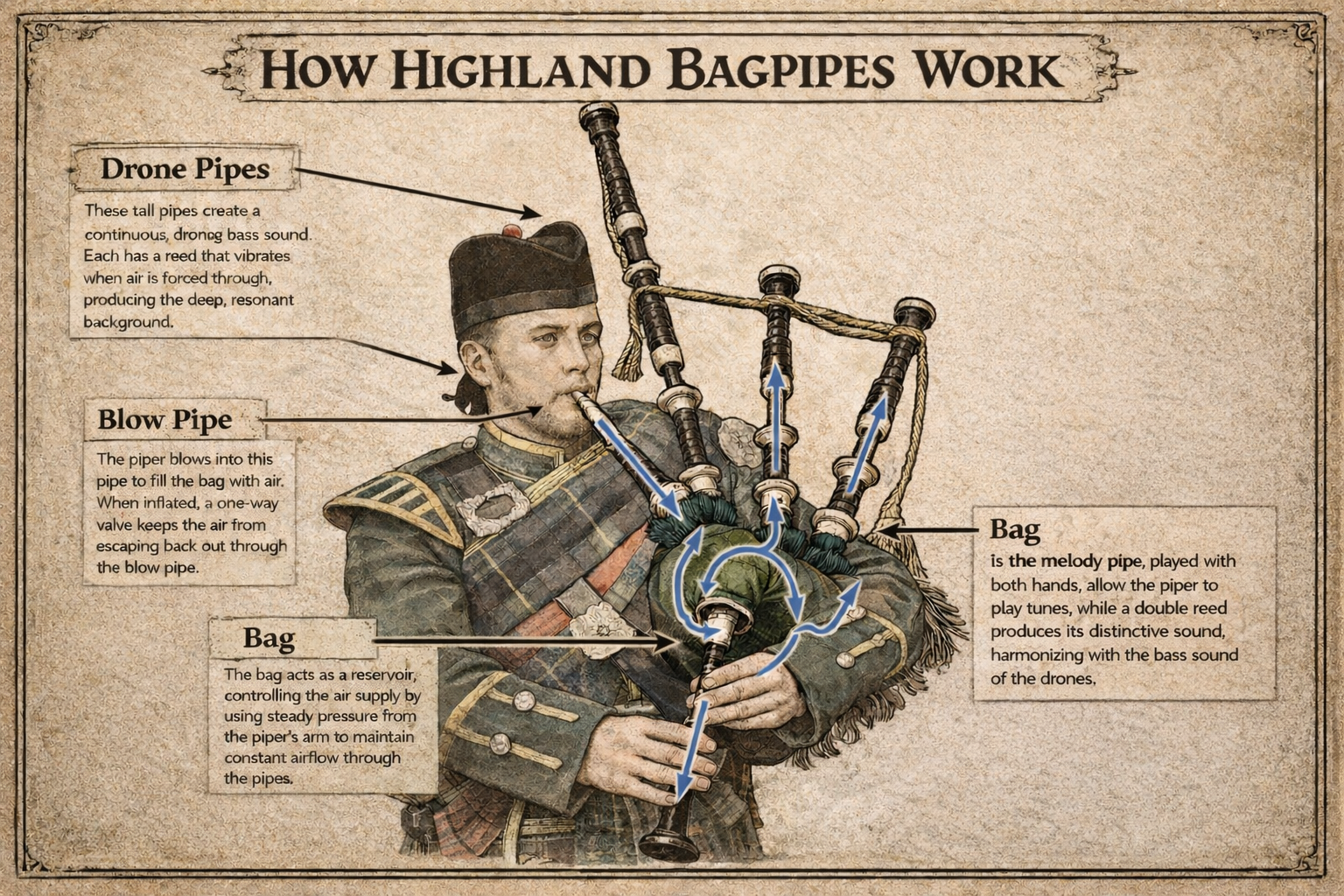
In order to create their iconic and long-lasting sound, bagpipes rely on a continual flow of air to create a constant tune. There are many structural variations of bagpipes, but most comprise a bag, melody (chanter) pipe and drone pipes. The player blows into the aptly named blowpipe, filling the bag with air. It is the job of the player to continually fill the bag and squeeze the air out with their arm while playing the chanter. Air passes through reeds within the pipes, creating the continuous sound expelled from the drone pipes at the top of the bagpipes and the chanter at the base. Using holes in the chanter, the player can control the melody in the same way as any other reed instrument.
Highland bagpipes are a traditional air-driven woodwind instrument, known for their powerful sound and unmistakable presence. Their distinctive tone comes from maintaining a continuous, steady flow of air through a series of reeds — something that makes the bagpipes both unique and challenging to play.
Sound is produced when air causes the reeds inside the instrument to vibrate. Unlike many instruments, the bagpipes rely on constant air pressure, which is controlled by the player using both breath and arm pressure on the bag.
The Main Parts of the Highland Bagpipes
The Highland bagpipes consist of several key components, each playing a vital role:
Bag – Stores air and allows the player to maintain even pressure
Chanter – The melody pipe, played with both hands to produce the tune
Drones – Three pipes that create the deep, continuous bass harmony beneath the melody
Air is blown into the bag and released evenly through the reeds, producing the high-pitched melodic line of the chanter alongside the rich, resonant drone sound that bagpipes are famous for.
Why Are Bagpipes Hard to Play?
Bagpipes are widely regarded as one of the more challenging instruments to master. Players must control breathing, arm pressure, finger technique, and tuning simultaneously — all while producing sound continuously, with no pauses or rests.
A Historic Instrument
The bagpipes are among the oldest continuously played woodwind instruments in the world. Variations of bagpipes have existed across Europe, the Middle East, and Asia for centuries — long before modern orchestras emerged — making them a powerful symbol of musical tradition and heritage.
What are bagpipes used for?
Bagpipes have been played for centuries to entertain, inspire, and communicate.
Historically, they were used in military settings to rally troops, signal movements, and boost morale on the battlefield.
Today, Highland bagpipers commonly perform at: - Weddings and civil partnerships - Funerals and memorial services - Burns Night dinners and celebrations - Remembrance Day parades and services - Corporate events and product launches - Birthday parties and anniversaries - Military ceremonies - State and royal occasions
The bagpipes featured at Queen Elizabeth II's funeral procession in 2022, demonstrating their continuing role in significant state occasions.
What are the Great Highland Bagpipes?
The Great Highland Bagpipes are a traditional Scottish musical instrument and one of the most recognisable instruments in the world. They produce sound by pushing air through reeds, creating a continuous, powerful tone combining melody and deep harmonic drones.
Although closely associated with Scotland, historians believe bagpipes or similar instruments originated in the Middle East over a thousand years ago. The Scots refined the design and popularised what is now known as the Great Highland Bagpipe.